How to Start an Online Business With Low Investment
Have you ever looked at your laptop and wondered if it could be a money printing machine? You are not alone. The digital landscape has flattened the playing field, making it entirely possible to launch a business without mortgaging your house or draining your life savings. Starting an online business with low investment is not just a trend; it is a fundamental shift in how we approach work and independence.
Why Starting an Online Business is a Game Changer
Think of traditional business like building a physical brick and mortar store. You need rent, inventory, utilities, and a massive safety net. Now, think of an online business as planting a digital garden. All you really need is soil, which is your niche, some seeds, which are your ideas, and water, which is your consistent effort. The barrier to entry has plummeted. You can reach a customer in Tokyo from your living room in Ohio with just a few clicks. It is efficient, scalable, and liberating.
Choosing Your Profitable Niche
How do you find your sweet spot? A profitable niche lives at the intersection of three things: what you are good at, what people are willing to pay for, and what you actually enjoy. If you hate accounting, do not start a bookkeeping service just because you heard it pays well. You will burn out in a month. Instead, look for gaps in the market. Are there people struggling with a specific problem that you have already solved? That is your goldmine.
The Art of Effective Market Research
Before you spend a single dollar, you need to be a detective. Hang out where your potential customers hang out. Read Reddit threads, scan Facebook groups, and look at the comment sections of popular YouTube channels in your field. What are they complaining about? What questions keep coming up? If you can provide a better answer or a more convenient solution than what currently exists, you have found your product or service.
Embracing the Lean Startup Methodology
The biggest mistake new entrepreneurs make is trying to build the perfect version of their product before launching. Stop that immediately. The lean startup method is about speed and agility. Create a Minimum Viable Product (MVP). This is the simplest version of your offering that solves a core problem. Put it out there, gather feedback, and iterate. It is like building a bike one wheel at a time rather than trying to manufacture a luxury car on day one.
Picking the Right Business Model
Not all businesses are created equal when it comes to startup costs. You need to pick a model that aligns with your resources. Do you have time but no money? Sell services. Do you have a bit of money and a creative eye? Try physical products or print on demand. Understanding your constraints is the first step toward choosing a sustainable path.
Service Based Ventures: Selling Your Skills
This is arguably the fastest way to make money online with zero investment. If you can write, design, code, translate, or manage social media, you can find a client right now on platforms like Upwork or LinkedIn. You are selling your time and expertise, which means your overhead is virtually nonexistent. You are essentially a consultant, and you can charge premium prices once you build a portfolio of happy clients.
Creating Digital Products for Passive Income
Once you have mastered a skill, package it into an ebook, a course, or a template. Digital products are beautiful because you make them once and sell them a thousand times. There is no inventory to store and no shipping costs. It is the ultimate low cost, high margin business model.
Understanding Dropshipping and E Commerce
If you prefer physical products, dropshipping is the low risk alternative to traditional retail. You set up a store, a customer places an order, and your supplier ships the item directly to the customer. You never touch the product, and you never pay for inventory upfront. Just remember that the margins are thinner, so you need to be great at marketing to make it work.
Legal and Administrative Foundations
Do not let the boring stuff stop you. While you do not need to incorporate as a massive firm on day one, you should keep your business finances separate from your personal ones. Open a dedicated business checking account as soon as you have your first bit of revenue. Research the tax requirements in your area and keep track of every expense. It sounds tedious, but it will save you from a massive headache later.
Building Your Brand Identity on a Budget
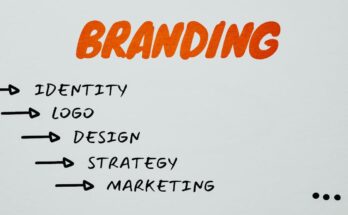
A brand is not just a logo; it is the feeling people get when they hear your name. You can build a professional brand identity using free tools like Canva for design and by maintaining a consistent tone of voice across your social media. Authenticity is your secret weapon here. People buy from people, not faceless corporations. Be real, be helpful, and be consistent.
Setting Up Your Online Presence
You do not need a custom website coded from scratch. Use platforms like WordPress, Shopify, or even Carrd to get a professional look without a designer price tag. Your website acts as your 24/7 salesperson. Keep it simple. Use clear headings, high quality images, and an obvious call to action. If a visitor cannot figure out what you do within five seconds, you are losing money.
Low Cost Marketing Strategies
Marketing is often where people think they need to spend thousands on ads. They are wrong. Organic growth through social media, email marketing, and community building is much more effective for beginners. Focus on providing value first. If you share tips and tricks that genuinely help your target audience, they will naturally become interested in what you are selling.
The Power of Content Marketing
Content is the fuel for your digital fire. Write blog posts that answer specific questions, create short form videos showing your process, or start a podcast. By consistently putting out high quality content, you establish yourself as an authority in your niche. When people trust you, selling becomes easy.
Scaling Up Your Operations
Once you have reached your first milestones and have some revenue coming in, it is time to scale. Scaling is not about working harder; it is about working smarter. Automate repetitive tasks with software, outsource tasks that you are not good at, and reinvest your profits into higher quality marketing tools or product development. Think of it like adding more lanes to a highway; you want to get more traffic through with less friction.
Conclusion: Taking Your First Step
Starting an online business with low investment is about trade offs. You are trading time and effort for what would otherwise cost money. It is a journey of continuous learning, failing, and adjusting. There is no magic pill or overnight success, but the potential for growth is limitless. You have the tools, you have the information, and you have the opportunity. The only thing left to do is start today.
Frequently Asked Questions
1. Do I really need a website to start an online business?
While you can start on social media, having a website provides a professional hub that you own and control. It builds credibility and allows you to capture customer emails, which is vital for long term growth.
2. How much money do I actually need to get started?
Technically, you can start with almost zero dollars if you are selling services. If you are starting an e commerce store, you might need a small budget for a domain name and a basic hosting plan or store subscription, typically ranging from 30 to 100 dollars.
3. How long does it take to see profit?
It varies wildly based on your business model and effort level. Some people land their first client within a week, while others might take months to build enough traction for a physical product brand. Focus on progress, not just the payout.
4. What if I am not an expert in my chosen niche?
You do not need to be the world leading expert. You just need to be one or two steps ahead of the person you are helping. Many successful businesses are built on the premise of documenting the learning journey.
5. How do I balance a full time job with a new business?
It requires strict time management. Use your early mornings, late evenings, or lunch breaks. Treat your business like a second job with a non negotiable schedule, and you will see steady progress over time.